
 419-624-0198
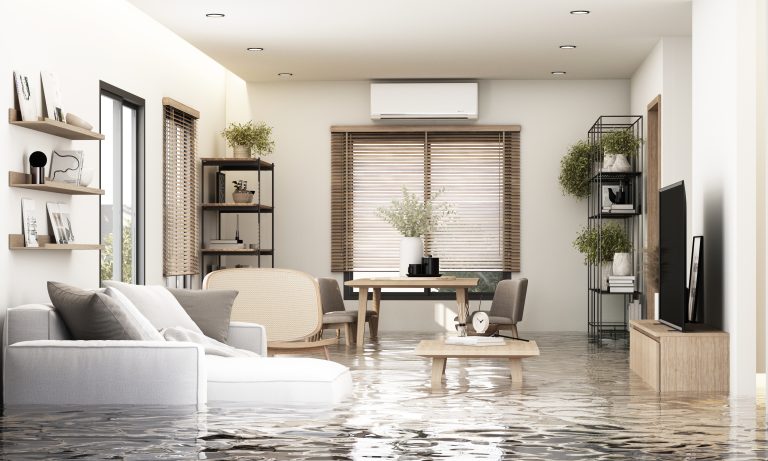
When a flood hits your home, the aftermath can be overwhelming. Between damaged belongings, soaked floors, and the risk of mold, it’s easy to feel unsure about what to do next. But how you respond in those first few hours and days makes a big difference in how quickly, and how safely, you recover.
Avoid These Flood Cleanup Mistakes
If you’re facing flood cleanup, here are the most common mistakes homeowners make and how to avoid them.
Waiting Too Long to Start Cleanup
One of the most damaging things you can do after a flood is wait. Whether you’re hoping the water will drain on its own or you’re unsure of where to start, time is not on your side. Within just 24 to 48 hours, standing water can lead to mold growth, structural damage, and serious health concerns.
Act quickly. The sooner you call a professional for flood cleanup, the better your chances of minimizing long-term damage.
Skipping a Professional Assessment
It might be tempting to assess the damage on your own, especially if things look okay on the surface. But water can seep into drywall, insulation, and under flooring, causing hidden damage that’s easy to miss without the right tools.
A professional flood cleanup company can identify these issues and prevent future problems—like mold, rot, or electrical hazards—that could end up costing you much more down the road.
Using Household Cleaning Products on Mold
Mold is one of the most common consequences of flooding. Many homeowners reach for bleach or other household cleaners, thinking it will do the trick. Unfortunately, this can often make things worse. Bleach doesn’t always kill mold at the root, especially on porous surfaces like wood or drywall.
Instead, rely on trained technicians who specialize in mold remediation as part of your flood cleanup. They have the proper equipment and know how to safely remove all traces of mold without spreading it further.
Not Documenting the Damage
When disaster strikes, taking photos of the mess might not be top of mind—but it should be. Thorough documentation is essential for insurance claims. Failing to record the extent of the damage can delay your claim or reduce your reimbursement.
Before moving anything or starting cleanup, take clear, time-stamped photos and videos of every affected area. Keep all receipts from repairs, cleanup, and temporary accommodations as well.
Forgetting About Safety
Floodwater isn’t just water—it can carry bacteria, sewage, and harmful chemicals. Walking through it without proper gear or handling items that were submerged can expose you to serious health risks.
Always wear gloves, boots, and a mask when entering a flooded area, and never use electrical appliances until they’ve been checked by a professional. The best way to stay safe? Let experts handle your flood cleanup from the start.
Ignoring the Source of the Flood
Cleaning up the mess is important, but if you don’t address what caused the flooding in the first place, it could happen again. Whether it’s a broken pipe, poor drainage, or a failed sump pump, identifying and repairing the root cause is key to protecting your home in the future.
Flood Cleanup – Sandusky
Flood damage is stressful, but it doesn’t have to be something you face alone. Avoiding these common mistakes can help you recover faster, safer, and with fewer headaches. If your home has experienced flooding, RestorePro is here to help. With professional tools, local experience, and compassionate service, we make flood cleanup as smooth as possible, so you can get back to normal faster.


