Floor Repair

Our IICRC-certified team at RestorePro Disaster Cleanup & Restoration has spent over 27 years performing water damage floor repair across Northern Ohio, and the most consistent finding is this: what looks dry on the surface rarely is. We use calibrated moisture meters and thermal imaging to verify conditions through materials, not just on them, and we do not call a job complete until readings confirm it.

Water Damage Floor Repair for Complete Property Recovery

Every Flooring Type, Every Scenario

Hardwood Floor Water Damage Restoration

Wood absorbs moisture, swells, cups, and buckles when wet. Hardwood floor water damage restoration uses floor drying mats and targeted air movement to bring moisture content down without causing additional movement in the wood. Fast response gives hardwood its best chance of being saved in place.

Laminate Floor Water Damage Repair

Laminate core layers swell when exposed to moisture, often permanently. Laminate floor water damage assessment determines quickly whether drying-in-place is viable or whether removal is needed to dry the subfloor beneath.

Tile and Grout Water Damage Cleanup

Tile does not absorb moisture, but what is beneath it does. Tile and grout water damage cleanup focuses on subfloor saturation: water that entered through grout joints and reached structural materials below the finished surface.

Carpet Water Extraction and Drying

Saturated carpet holds moisture against the subfloor. Carpet water extraction requires powerful commercial equipment, followed by rapid air movement. Carpet that stays wet longer than 24 to 48 hours creates conditions for mold and bacterial growth.

Subfloor Drying and Replacement

The subfloor is the structural layer beneath all finished flooring and the area most likely to retain moisture. Subfloor drying may require removing finished flooring to allow direct airflow. When moisture has compromised structural integrity, removal and replacement is the appropriate path.

What Is at Stake Structurally

What Wet Flooring Means for the Air Inside Your Home

Flooring and subfloor materials that are not fully dried create sustained mold and bacterial growth conditions. Both produce particulates that affect indoor air quality, with the greatest impact on children, elderly residents, and anyone with respiratory conditions. Surface-level cleanup that leaves moisture in the floor assembly is not finished work. Our readings confirm dry standards throughout the affected area, including subfloor and wall bases, and we provide written clearance documentation so there is no question about when the job was complete.

Our Process for Water Damage Floor Repair 

  1. Moisture mapping across all flooring types, including subfloor readings where accessible
  2. Commercial water extraction from all saturated surfaces
  3. Industrial air movers and dehumidifiers placed and adjusted daily based on readings
  4. Written moisture log from initial readings to final dry-standard clearance
our process

You Do Not Have to Navigate This Alone

Water damage floor repair involves decisions most homeowners have not faced before: what can be saved, what needs to come out, what the insurance company requires. Our team at RestorePro Disaster Cleanup & Restoration walks through every finding with you at every stage. Call us now to get a clear picture of where things stand, or visit our water damage restoration page to see the full scope of what we handle.

Frequently Asked Questions

Can hardwood floors be saved after water damage, or do they always need to be replaced?

It depends on how long they were wet and how much moisture they absorbed. Hardwood that is extracted and dried quickly, ideally within 24 to 48 hours, has a reasonable chance of being restored without replacement. Floors that cupped significantly or have been wet for days may need to be removed.

How do I know if my subfloor is wet if the tile above it looks fine?

Tile does not transmit moisture to the surface, so visual inspection is not reliable. We use calibrated moisture meters to test through tile into the subfloor layer beneath. This is the only way to know with confidence whether the structural floor is wet.

Is wet carpet always a loss, or can it be dried and saved?

Carpet can often be dried successfully if extraction begins quickly and the padding beneath is also removed and replaced. Padding retains moisture at levels that allow mold to develop even when the carpet above appears dry. We assess both layers before advising on the best path forward.

How long does subfloor drying take?

It varies based on material type, saturation level, and airflow. Standard subfloor drying with industrial equipment typically takes three to seven days. Situations where the subfloor has been wet for an extended period may take longer or require material removal.

Will insurance cover water damage floor repair?

Coverage depends on the source of the water damage and your specific policy. Sudden water events from plumbing failures, appliance leaks, and similar sources are often covered. We document conditions thoroughly to support your claim, whatever the source.

Water Damage Restoration Tips

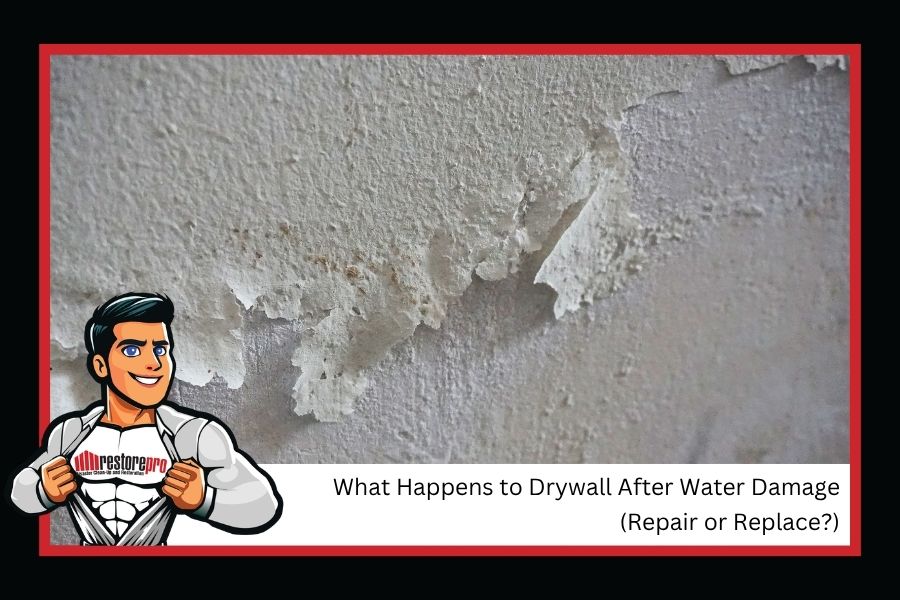
What Happens to Drywall After Water Damage (Repair or Replace?)

Water-damaged drywall: should you repair or replace it? Learn how the water type, soak time, and panel condition decide, from RestorePro’s expert team.

Bathroom Water Damage Prevention (Toilets, Tubs, and Shower Pans)

Learn where toilets, tubs, and shower pans fail most often, plus a simple inspection schedule to catch bathroom water damage before it hides behind walls.

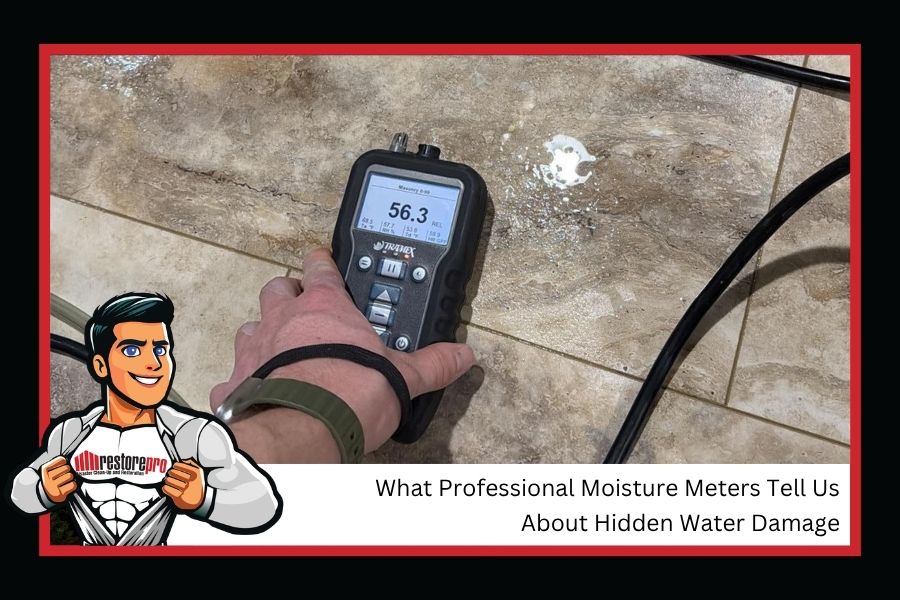
What Professional Moisture Meters Tell Us About Hidden Water Damage

Discover how professional moisture meters and thermal imaging find hidden water damage inside walls and floors before mold takes hold in your home.