24/7 Storm Flood Damage Restoration, Erie County and Northern Ohio

When your property is dry and flooding is behind you, that’s the outcome. Getting there starts the moment you call. At RestorePro Disaster Cleanup & Restoration, we’re always ready to respond to flood damage restoration Sandusky OH homeowners need. We’re family-owned, IICRC-certified and have over 27 years of experience handling storm damage restoration across Erie County and Northern Ohio. 

24/7 Storm Flood Damage Restoration, Erie County and Northern Ohio

What We Handle

Storm flooding cleanup in Northern Ohio covers a broad range of water sources and damage types:

Standing Water Extraction

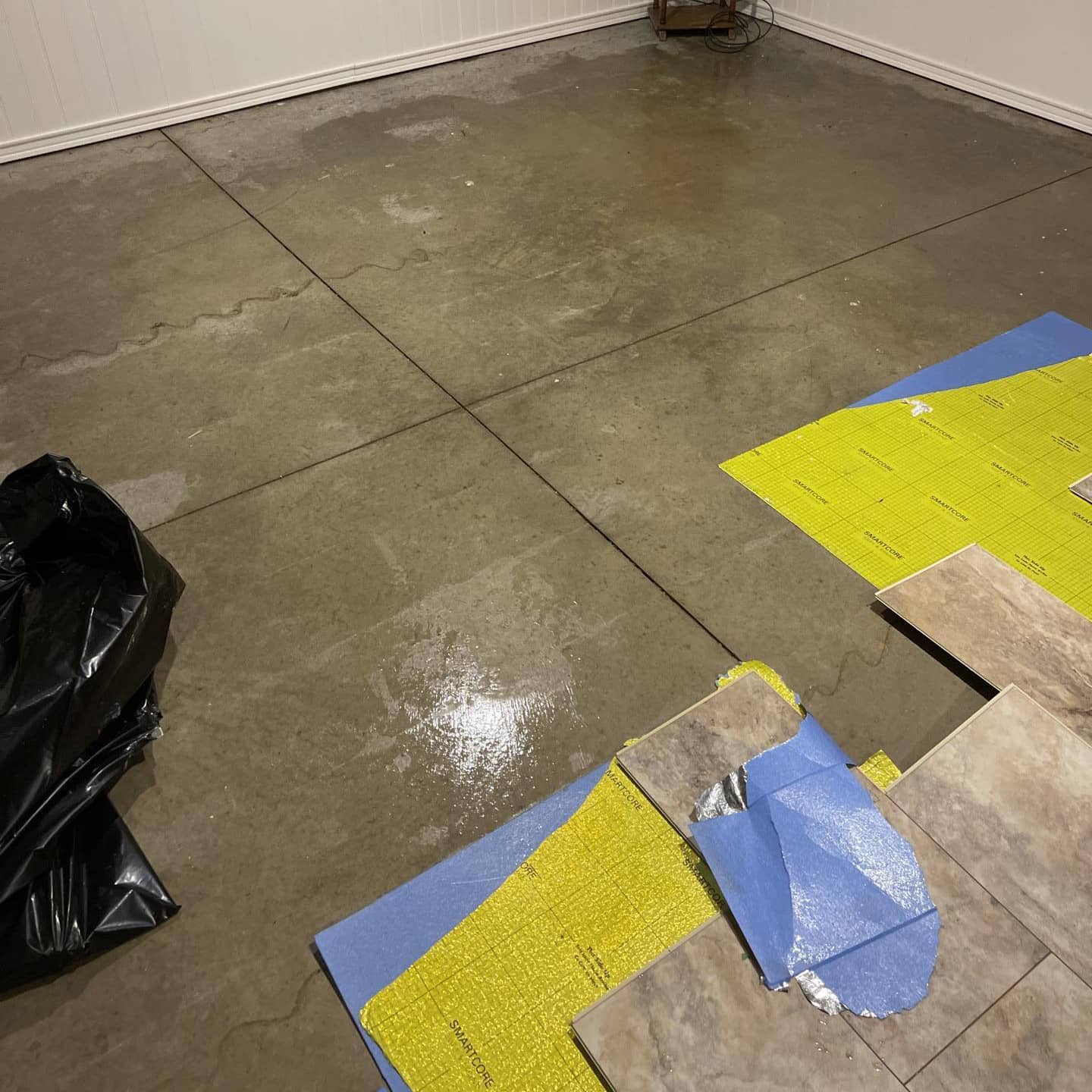
The faster standing water is removed, the lower the risk of damage spreading to walls, subfloors, and structural materials. We use commercial-grade extraction equipment that removes water at a pace no consumer pump can match.

Structural Drying and Dehumidification

After extraction, moisture remains in building materials. Our drying systems, industrial air movers, dehumidifiers, and monitoring equipment, pull moisture from walls, floors, and cavities to reach safe drying standards.

Subfloor and Drywall Damage

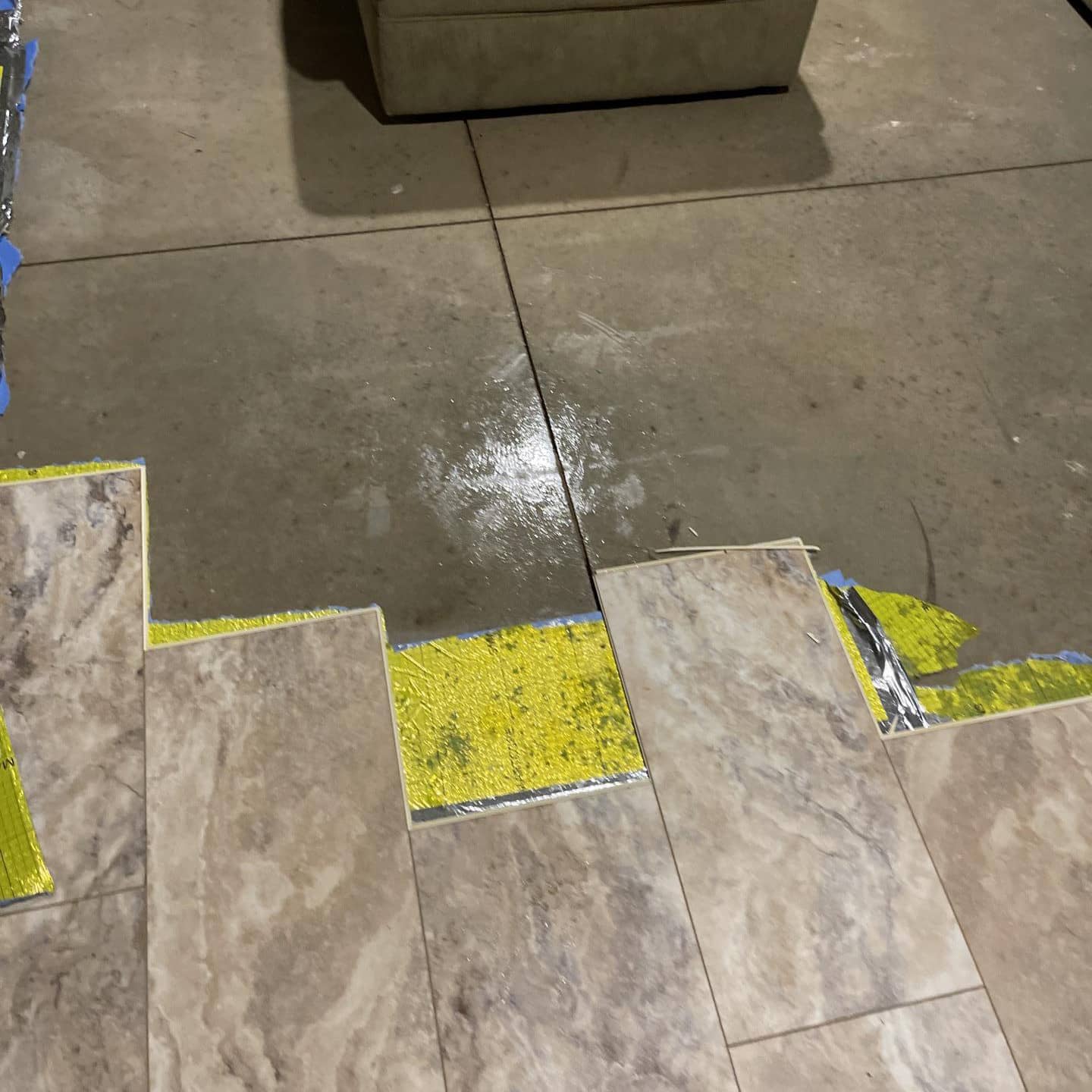
Water doesn’t stay where it lands. It follows framing, works under flooring, and wicks up drywall. We assess the full extent of moisture migration and address damage at every layer.

Sewage Backup from Storm Flooding

Overwhelmed municipal systems can push sewage back into basement drains during heavy rain events. Sewage backup is Category 3 water, a health hazard requiring specialized cleaning, disinfection, and protective protocols. We handle this work with the full safety standards it requires.

Rainwater Intrusion Through Windows, Foundations, and Rooflines

Not all flood damage comes from below. Driven rain and overwhelmed drainage push water through window frames, foundation cracks, and compromised roofing. We trace the source and address the entry point alongside the damage it caused.

What Happens If Flood Damage Isn’t Addressed Quickly

Rainwater damage repair in Ohio is genuinely time-sensitive. In the first hours, saturation spreads through floors, walls, and insulation. By 24 to 48 hours, mold spores begin colonizing saturated surfaces. By 72 hours, structural wood members have absorbed moisture that takes days of professional drying to reverse. Sewage backup adds pathogen risk on top of structural damage, and mold growth affects indoor air quality most for children, elderly residents, and anyone with respiratory conditions. Our IICRC certifications in both water damage and mold remediation reflect exactly that connection: we treat these two problems as one.

What Happens If Flood Damage Isn’t Addressed Quickly

How We Restore Flood-Damaged Properties

Every basement flood cleanup we handle in Erie County follows a thorough but efficient process. When you call, we dispatch immediately and arrive within 30 to 60 minutes. Our technicians assess the source, scope, and water category first – that information drives the extraction method, drying approach, and cleaning protocols.

Extraction starts with standing water, then moves to residual moisture in building materials using commercial drying equipment. We monitor moisture readings daily and adjust equipment based on what the data shows. Drying isn’t complete until materials reach documented safe standards. Once confirmed, we address drywall, flooring, insulation, and affected contents – and we coordinate with your insurance company at every stage. For related concerns, our water damage cleanup team applies the same standards.

Flood Damage Restoration in Sandusky, OH: Your Neighbors Are Ready to Help

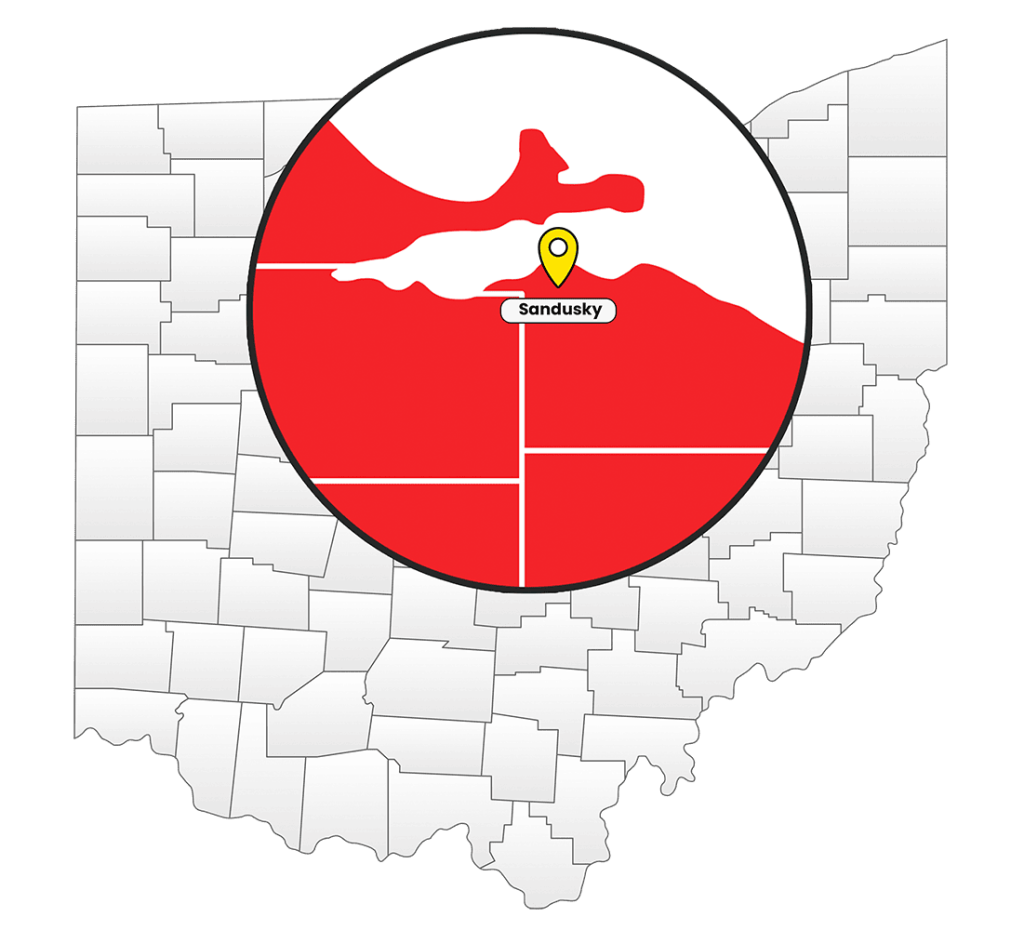
We’re based in Sandusky. We serve the same streets, neighborhoods, and communities that experience Erie County flooding. When the phones ring at 2 a.m. after a storm, it’s our neighbors calling, and that’s how we treat every response. Call RestorePro Disaster Cleanup & Restoration now, or reach us online.

For information on our full storm response services, visit our Storm Damage Restoration page.

We Care. We Respond. We Restore.

Flood Damage Restoration FAQs

Is basement flooding after a storm covered by insurance?

It depends on your policy and the cause. Sewer or drain backup is often covered under a separate rider; surface water flooding may require flood insurance through the National Flood Insurance Program. We help document damage for your adjuster.

How long does it take to dry out a flooded basement?

Professional drying typically takes 3 to 5 days for saturated materials to reach dry standard, though this varies based on the amount of water, the materials involved, and airflow conditions. We monitor moisture readings daily and give you a realistic timeline based on actual data.

Can mold develop after storm flooding?

Yes. Mold can begin colonizing saturated surfaces within 24 to 48 hours of water exposure. Our IICRC-certified team treats flood scenarios with mold prevention as a core part of the work, not an afterthought.

What if sewage backed up along with the floodwater?

Sewage backup is treated as Category 3 contaminated water, requiring specific protective protocols, disinfection, and in some cases removal of materials that cannot be adequately cleaned. Our team is trained and equipped to handle this safely.

Do I need to move out during flood damage restoration?

For significant flooding, especially sewage backup or extensive structural saturation, vacating is often the safest and most practical choice. Our technicians assess the situation on arrival and advise you based on what they find.

What's the difference between flood damage and regular water damage?

Storm flooding typically involves larger water volumes, potential contamination, and multiple entry points. The water category – clean, gray, or black – affects how we approach the work. Our water damage cleanup service page covers these distinctions in detail.