
 419-624-0198
Jump to Section:
- Hour 1: The Emergency Call and Arrival
- Hour 2-3: Water Extraction Begins
- Hour 4-6: Strategic Drying Equipment Setup
- Hour 7-12: Initial Monitoring and Adjustments
- Days 2-5: Ongoing Monitoring and Drying
- Final Phase: Equipment Removal and Final Assessment
- What Makes Professional Extraction Different
- Real Talk: What to Expect
- Why Response Time Matters
- Frequently Asked Questions
When you’re standing in water at 2 a.m., watching it creep across your basement floor, the last thing you want is a mystery. You want to know what happens next. At RestorePro, we’ve responded to countless water damage emergencies across Northwest Ohio, and we’ve learned that understanding the process helps homeowners feel more in control during a stressful situation. Let’s walk through what actually happens when our team arrives at your door, hour by hour.
Hour 1: The Emergency Call and Arrival
The clock starts the moment you call us. Our average response time is 30-60 minutes, which matters more than you might think. Every minute water sits in your home, it spreads further into walls, under flooring, and into materials that are expensive to replace.
When we arrive, you’ll meet a certified technician, not a salesperson. We’re there to assess the situation immediately. This first hour includes:
- A thorough walkthrough to identify all affected areas (water travels in sneaky ways)
- Documentation with photos and moisture readings
- An explanation of what we found and what needs to happen next
- Initial safety checks for electrical hazards or structural concerns
We also start thinking about your insurance claim right away. As part of the Greater Sandusky Partnership and participants in the “Call Before You Claim” program, we know how to document everything properly from the start. You can learn more about filing a water damage insurance claim to understand that process better.
Water Extraction Timeline at a Glance
Hour 1:
Emergency response, assessment, and documentation
Hours 2-3:
Standing water removal with commercial extractors
Hours 4-6:
Strategic placement of air movers and dehumidifiers
Hours 7-12:
Multiple monitoring visits and equipment adjustments
Days 2-5:
Daily monitoring, progress documentation, continuous drying
Final Phase:
Equipment removal and final moisture verification
Hour 2-3: Water Extraction Begins
Now the real work starts. We bring in commercial-grade extraction equipment that removes standing water fast. This isn’t a shop vac from the hardware store. We’re talking truck-mounted extractors and portable units powerful enough to pull thousands of gallons out of your home.
What you’ll see during extraction:
- Large hoses running from your home to our trucks
- Technicians moving furniture to access all wet areas
- Constant monitoring of moisture levels
- Removal of saturated materials like padding or insulation that can’t be saved
The noise level during this phase can be intense. Industrial extractors aren’t quiet. But they’re effective, and that’s what matters when you’re trying to prevent mold growth or further structural damage.
Hour 4-6: Strategic Drying Equipment Setup
Once the standing water is gone, the hidden moisture battle begins. Water doesn’t just sit on surfaces. It soaks into drywall, wicks up into wall cavities, and settles into subflooring. This is where air movers and dehumidifiers become your best friends.
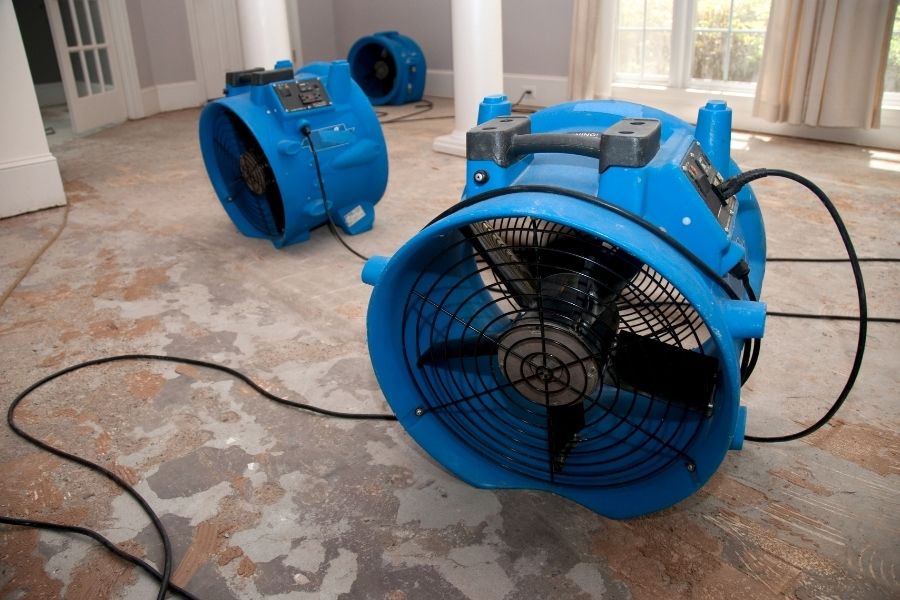
Air movers and dehumidifiers are strategically positioned throughout affected areas to maximize drying efficiency and prevent secondary damage.
Our team strategically places equipment throughout affected areas. We’re not just throwing fans in random corners. Each air mover is positioned to create airflow patterns that maximize drying efficiency. Dehumidifiers pull moisture from the air, preventing it from reabsorbing into materials.
Equipment you’ll typically see:
- High-velocity air movers (they look like giant fans)
- Commercial dehumidifiers (these can pull 100+ pints of water per day from the air)
- Specialty drying equipment for tight spaces like wall cavities
- Moisture meters to track progress
Don’t worry about your electric bill. We factor power consumption into our service estimate, and we use the most efficient equipment available.
Ready to Get Your Home Back to Normal?
Water damage doesn’t wait, and neither should you. Our IICRC-certified team is available 24/7 to respond to emergencies across the Firelands Region. From Sandusky to Lorain County, we’re your neighbors, and we treat your property like our own.
Hour 7-12: Initial Monitoring and Adjustments
The first day isn’t a “set it and forget it” situation. Our technicians return multiple times to check progress, adjust equipment positioning, and take fresh moisture readings. Drying is a science, not guesswork.
During this phase, we’re watching for:
- Hot spots where moisture is trapped
- Areas that need additional air circulation
- Signs that hidden water damage exists behind walls or under floors
- Temperature and humidity levels throughout your home
If we discover water traveled further than initially visible, we address it immediately. That’s why hidden water damage is such a concern. Without proper equipment and expertise, you might miss entire sections of affected material.
Days 2-5: Ongoing Monitoring and Drying
Professional water extraction isn’t a same-day fix. Depending on the extent of damage, drying typically takes 3-5 days. Yes, you’ll have equipment running in your home during this time. Yes, it’s loud. But it’s necessary.
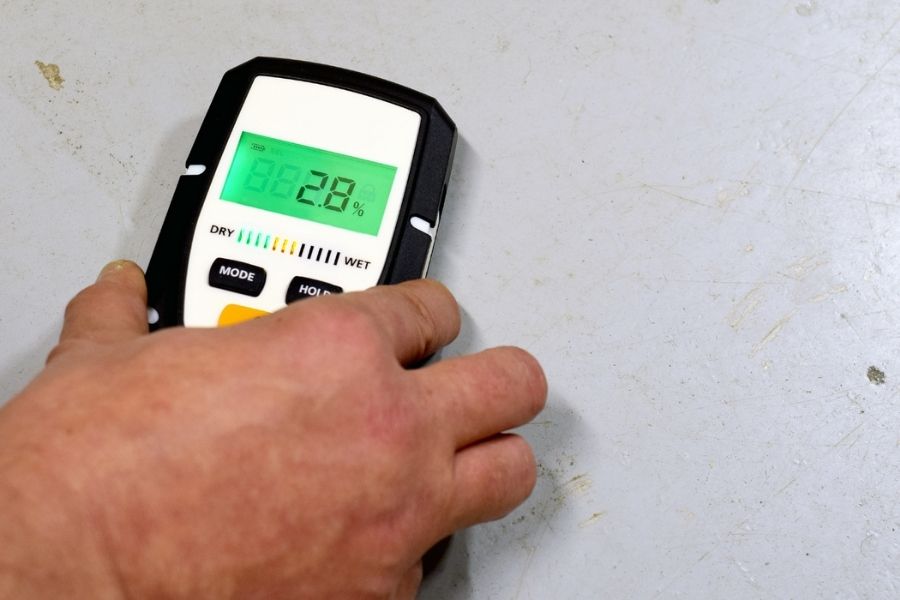
Daily moisture meter readings allow our technicians to track drying progress and adjust equipment placement for optimal results.
We visit daily to:
- Document drying progress with moisture meter readings
- Adjust or reposition equipment as needed
- Communicate with you and your insurance company
- Watch for any secondary issues like mold development
Many homeowners ask if they can turn off the equipment at night. We understand the noise is disruptive, but constant airflow is critical. Stopping and starting the drying process extends the timeline and increases the risk of permanent damage. The CDC recommends thoroughly drying water-damaged homes within 24-48 hours to prevent mold and health hazards.
Final Phase: Equipment Removal and Final Assessment
When moisture readings hit acceptable levels (we follow IICRC standards for this), we remove all equipment and conduct a final walkthrough. This includes:
- Confirming all areas are dry using multiple measurement methods
- Documenting final conditions for your insurance claim
- Discussing any recommended repairs or mold remediation services if needed
- Answering your questions about next steps
We don’t just disappear. We make sure you understand the condition of your property and what, if anything, comes next. Sometimes materials need replacement. Sometimes everything can be saved. Either way, you deserve clear, honest answers.
What Makes Professional Extraction Different from DIY
You might be wondering if you could handle this yourself with rental equipment. Technically, yes. Practically, probably not. Professional water extraction involves more than just removing visible water.
| Factor | DIY Extraction | Professional Extraction |
|---|---|---|
| Equipment Power | Consumer-grade rental units | Commercial truck-mounted extractors |
| Hidden Moisture Detection | Visual inspection only | Thermal imaging, moisture meters |
| Drying Timeline | 7-10+ days typically | 3-5 days with continuous monitoring |
| Insurance Documentation | Limited or none | Comprehensive photo and moisture documentation |
| Mold Risk | Higher due to extended drying time | Minimized with rapid response |
| Expertise | Trial and error approach | IICRC-certified technicians, 27+ years experience |
We have thermal imaging cameras to detect hidden moisture. We understand building materials and how water interacts with them. We know when to call in specialists for situations beyond basic extraction. That 27 years of experience matters when your home is on the line.
Plus, insurance companies require proper documentation. DIY efforts rarely include the detailed moisture mapping, photographic evidence, and compliance with industry standards that insurers expect.
Real Talk: What to Expect During the Process
Let’s be honest about the inconveniences:
- Your home will be louder than usual for several days
- You’ll have equipment taking up floor space
- Some furniture may need to be moved or relocated temporarily
- Technicians will need access to your home for daily monitoring
- Normal routines get disrupted
But here’s what you gain: peace of mind knowing the job is done right. Professional extraction drastically reduces your risk of long-term problems like structural damage, mold growth, and indoor air quality issues. If you’re wondering about whether you can stay home during restoration, the answer is usually yes with proper precautions.
Why Response Time Matters More Than You Think
Every hour matters in water damage situations. Within 24 hours, mold can start growing. Within 48 hours, structural materials begin degrading. By day three, you’re looking at potential replacement costs rather than drying costs.
That’s why RestorePro maintains 24/7 emergency availability across Fremont, Huron, Bowling Green, and throughout Northwest Ohio. Water damage should never be ignored, even if it seems minor at first. What looks like a small leak can hide significant damage behind walls or under floors.
Frequently Asked Questions
How long will the water extraction equipment need to run in my home?
Most water extraction projects require equipment to run continuously for 3-5 days. The exact timeline depends on the amount of water, the materials affected, and environmental conditions like temperature and humidity. We monitor progress daily and remove equipment as soon as moisture levels reach safe standards.
Will my homeowners insurance cover professional water extraction services?
Most homeowners insurance policies cover sudden and accidental water damage, which includes professional extraction and drying services. Coverage varies by policy and cause of damage. We work directly with insurance companies and participate in the “Call Before You Claim” program to help streamline the process.
Can you extract water from hardwood floors without replacing them?
In many cases, yes. Hardwood floors can often be saved if extraction begins quickly and proper drying techniques are used. We use specialized equipment to dry wood flooring gradually to prevent warping, cupping, or cracking. However, severely damaged or warped boards may need replacement.
What happens if you find mold during the water extraction process?
If we discover mold growth during extraction, we address it immediately. Minor mold issues can sometimes be handled as part of the water damage restoration. Extensive mold growth requires separate mold remediation services following EPA and IICRC protocols to ensure safe and complete removal.


