
 419-624-0198
Jump to:
- Understanding Your Standard Homeowners Policy
- Why Sewage Backup Isn’t Automatically Covered
- What Is Sewage Backup Coverage?
- How Much Does Sewage Backup Coverage Cost?
- What This Coverage Doesn’t Include
- Additional Protection: Sump Pump Coverage
- Steps to Take Before You Need Coverage
- What to Do If Sewage Backs Up
- Why Professional Cleanup Matters
- Frequently Asked Questions
Let’s talk about something nobody wants to deal with but everyone should understand: sewage backups and insurance coverage. If you’ve ever wondered whether your homeowners policy would actually cover the nightmare of sewage flooding your basement, you’re asking exactly the right question. At RestorePro, we’ve helped countless Northeast Ohio homeowners navigate this messy situation, and the answer isn’t always straightforward.
Here’s what you need to know about biohazard cleaning services, what your standard policy probably doesn’t cover, and how to protect yourself before disaster strikes.
Understanding Your Standard Homeowners Policy
Most homeowners assume their insurance covers all types of water damage. Unfortunately, that’s not quite how it works. Your standard homeowners insurance policy typically covers sudden and accidental water damage – think burst pipes, water heater failures, or storm damage that causes roof leaks.
What it usually doesn’t cover? Sewage backups. That’s right – if your sewer line backs up and sends contaminated water into your home, your basic policy likely won’t help you. This exclusion catches a lot of people off guard, especially in older neighborhoods throughout the Firelands Region, where aging sewer systems can be problematic.
The distinction matters because sewer damage isn’t just unpleasant – it’s a health hazard that requires specialized cleanup and disinfection.
Why Sewage Backup Isn’t Automatically Covered
Insurance companies view sewage backups differently than other water damage for a few reasons. First, sewage problems often result from maintenance issues or gradual deterioration rather than sudden accidents. Second, the cleanup process is more complex and costly because you’re dealing with Category 3 water (grosswater, in industry terms), which contains harmful bacteria and pathogens.
In Northeast Ohio and areas like Norwalk, Mansfield, and Bucyrus, we see sewage backups happen for several common reasons:
- Tree roots infiltrating old sewer lines
- Combined sewer systems overwhelmed by heavy rain
- Aging municipal infrastructure
- Blocked or collapsed pipes
- Sump pump failures during storms
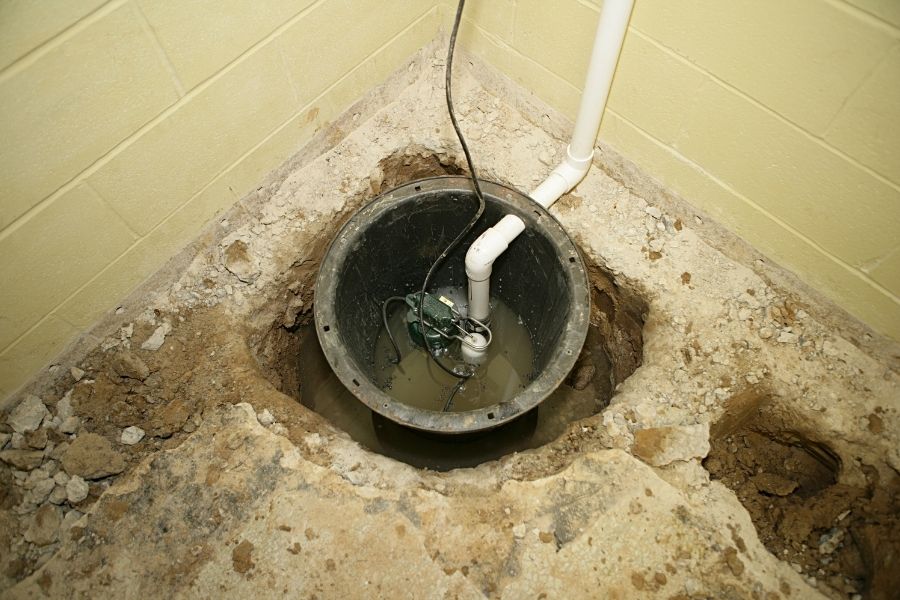
Sump pump failures are a common cause of basement flooding during heavy storms.
Many of these issues develop over time, which is partly why standard policies exclude them.
Having sewage damage right now?
Don’t wait! Contaminated water poses serious health risks. Our IICRC-certified team typically arrives within 60 minutes.
What Is Sewage Backup Coverage?
Here’s the good news: you can add sewage backup coverage to your homeowners policy. This optional endorsement (sometimes called a rider) specifically protects you if sewage or drain water backs up into your home.
This coverage typically includes:
- Damage to your home’s structure (floors, walls, drywall)
- Damaged personal belongings (furniture, appliances, clothing)
- Professional cleanup and restoration services
- Temporary living expenses if your home becomes uninhabitable
The coverage usually has its own deductible and coverage limit, separate from your main policy. Common limits range from $5,000 to $25,000, though you can often purchase higher limits if you live in a high-risk area.
| Coverage Type | Standard Policy | Sewage Backup Endorsement |
|---|---|---|
| Burst Pipes | ✓ Covered | ✓ Covered |
| Sewage Backup | ✗ Not Covered | ✓ Covered |
| Sump Pump Overflow | ✗ Not Covered | May Be Covered* |
| Flood-Related Sewage | ✗ Not Covered | ✗ Not Covered |
| Tree Root Damage | ✗ Not Covered | ✓ Covered |
*Check with your insurance agent about separate sump pump overflow coverage
How Much Does Sewage Backup Coverage Cost?
Adding sewage backup coverage is surprisingly affordable. Most homeowners pay between $40 and $100 per year for this endorsement, depending on your coverage limit and location. For context, the average sewage backup cleanup can easily cost $3,000 to $10,000 or more, making this one of the better insurance bargains out there.
If you live in an area with older infrastructure (like many neighborhoods in Tiffin, Mansfield, or Bucyrus), this coverage is especially worth considering. The peace of mind alone makes it valuable.
What This Coverage Doesn’t Include
Even with sewage backup coverage, there are some limitations to understand:
Maintenance-related damage: If your insurance company determines the backup resulted from lack of maintenance on your part, they may deny the claim. This is why it’s important to have your sewer lines inspected and maintained regularly.
Exterior damage: The endorsement typically covers damage inside your home, not repairs to the sewer line itself or damage to your yard.
Gradual damage: Coverage applies to sudden backups, not long-term seepage or moisture problems you ignored.
Flood-related sewage issues: If sewage backs up because of flooding, you’d need separate flood insurance. Standard policies and sewage endorsements don’t cover flood damage. According to FEMA’s flood preparedness resources, understanding these distinctions is crucial for proper protection.
Additional Protection: Sump Pump Coverage
While we’re talking about water in your basement, let’s address sump pumps. Many Northeast Ohio homes rely on sump pumps to keep basements dry, especially during our wet spring seasons. Your sewage backup endorsement might not cover damage from sump pump failure.
You may need a separate “sump pump overflow” or “water backup” endorsement. Some policies bundle these together, others keep them separate. Check with your insurance agent to make sure you’re fully protected against all the ways water can enter your basement.
Steps to Take Before You Need Coverage
5-Step Protection Plan
1. Review Your Current Policy
Call your insurance agent and ask specifically about sewage backup coverage. Don’t assume you have it.
2. Consider Your Risk Factors
Do you have an older home? Mature trees near your sewer line? A finished basement? These increase your risk.
3. Get a Sewer Line Inspection
A camera inspection can identify potential problems before they cause a backup. It’s a small investment that could save you thousands.
4. Install a Backwater Valve
This mechanical device prevents sewage from flowing backward into your home. Some insurance companies offer discounts if you have one installed.
5. Know Your Municipality’s Policies
Some cities are responsible for certain sewer line repairs, others aren’t. Understanding this can affect your coverage needs.
What to Do If Sewage Backs Up
If you experience a sewage backup, time is critical. Here’s your action plan:
Stop using water immediately: Don’t run faucets, flush toilets, or use appliances until the problem is resolved.
Protect yourself: Sewage contains dangerous bacteria. Wear protective gear if you must enter the affected area.
Document everything: Take photos and videos for your insurance claim before cleanup begins.
Call professionals: Sewer damage restoration requires specialized equipment and expertise. This isn’t a DIY situation.
Contact your insurance company: Report the damage as soon as possible to start your claim.
At RestorePro, we work directly with insurance companies and can help document damage for your claim. We understand what adjusters need to see and can advocate for proper coverage.
Why Professional Cleanup Matters
Sewage backup isn’t just dirty water – it’s a biohazard. Contaminated water can carry E. coli, hepatitis, and other serious pathogens. Professional restoration companies follow strict protocols for sewage cleanup, including:
- Complete removal of contaminated materials
- Thorough disinfection and sanitization
- Proper disposal of damaged items
- Air quality testing and treatment
- Structural drying to prevent mold growth
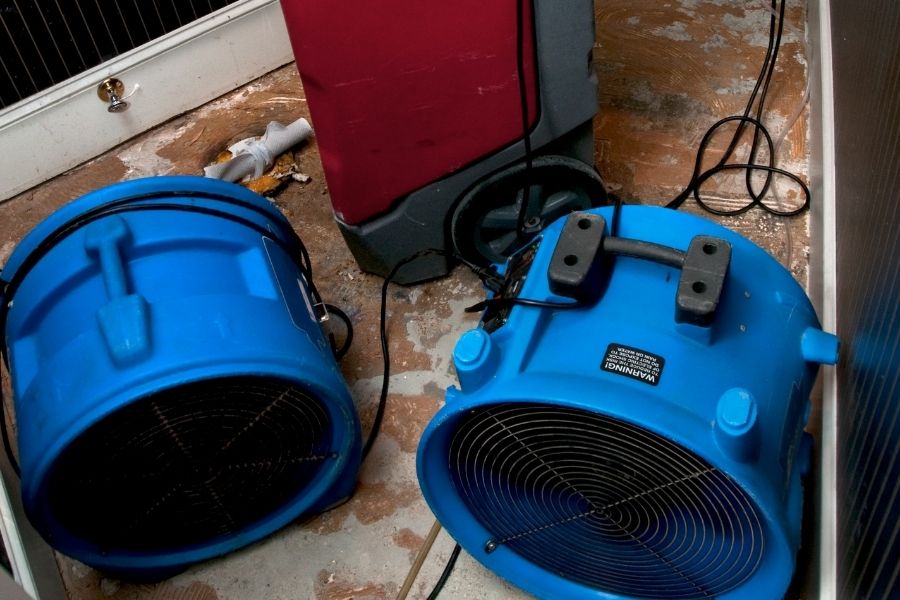
Professional structural drying equipment is essential for preventing mold growth and secondary damage after sewage cleanup.
Trying to clean up sewage yourself can expose you to health risks and may compromise your insurance claim if not done properly. Understanding common causes of water damage helps you recognize when professional restoration is necessary.
The Bottom Line on Sewage Backup Coverage
Most standard homeowners policies don’t cover sewage backups, but you can add this protection for a modest annual fee. Given the potential costs of sewage damage – both financial and health-related – this coverage is worth serious consideration, especially if you live in an older home or neighborhood.
The best time to add sewage backup coverage is before you need it. Once you’ve experienced a backup, getting coverage becomes much more difficult. Talk to your insurance agent about adding this endorsement to your policy, and take preventive steps to reduce your risk.
If the worst does happen, know that you don’t have to face it alone. Our team has been handling sewage emergencies in Sandusky throughout the Firelands Region for over 27 years. We understand the urgency, the health risks, and the insurance process. We’re here to help restore your home and your peace of mind.
Frequently Asked Questions
Does sewage backup coverage include damage to my lawn where the sewer line broke?
No, sewage backup coverage typically only covers damage inside your home. Repairs to the sewer line itself or damage to your yard usually aren’t included in this endorsement. You’d need to check whether your municipality is responsible for certain sewer line repairs, or if you need separate coverage for exterior damage.
If my basement floods during heavy rain and the sewer backs up at the same time, am I covered?
This depends on what caused the sewage backup. If the backup resulted from the flood itself, you’d need flood insurance, which is separate from homeowners insurance. However, if the sewer backed up for reasons unrelated to the flood (like a clogged line), your sewage backup endorsement might apply. These situations can get complicated, which is why documentation and professional assessment are so important.
How quickly do I need to file a claim after a sewage backup?
You should notify your insurance company as soon as possible after discovering the damage – ideally within 24-48 hours. Most policies require “prompt” notification, though they don’t usually specify an exact timeframe. The sooner you report it, the better. That said, don’t delay emergency cleanup while waiting to file. Addressing health hazards and preventing further damage takes priority.
Can my insurance company drop me after I file a sewage backup claim?
Insurance companies typically won’t drop you for a single claim, but multiple claims within a short period could affect your policy renewal or rates. This is why prevention is so important. Regular maintenance, inspections, and protective measures like backwater valves can help you avoid backups altogether. If you do experience a backup, proper cleanup and addressing the underlying cause can prevent future problems.


