
 419-624-0198
Jump To:
When water invades your home, not all damage is the same. Category 3 water damage, commonly called black water, represents the most dangerous type of contamination you can encounter. If you are dealing with sewage backups or floodwater in Northwest Ohio, you need professional water damage restoration immediately. This water contains biological and chemical hazards that pose serious risks to your health and property.
At RestorePro Disaster Cleanup & Restoration, our IICRC-certified technicians have responded to hundreds of black water emergencies across Erie, Ottawa, Sandusky, and Lorain counties over 27 years. We have seen what happens when homeowners attempt cleanup themselves. The consequences range from persistent illness to preventable structural damage.
What Is Category 3 Water Damage?
Category 3 water damage is the most severe classification in the restoration industry. The IICRC defines it as water that is grossly contaminated and contains pathogenic, toxigenic, or other harmful agents. This water can cause serious illness or death if ingested or even contacted.
Think of water categories like a ladder of contamination. Category 1 is clean water from a broken supply line. Category 2 is gray water from washing machines or dishwashers. Category 3 sits at the top, containing the worst possible contaminants.
Black water typically contains raw sewage, bacteria like E. coli and Salmonella, viruses including hepatitis, parasites, pesticides, and heavy metals. The contamination level makes it impossible to safely clean without specialized training and equipment.

Sewage backups are among the most common sources of Category 3 black water contamination in Ohio basements.
Common Sources of Black Water Contamination
Understanding where Category 3 water originates helps you recognize serious emergencies.
Sewage Backups
Municipal sewer lines can become overwhelmed during heavy rainfall, sending raw sewage through floor drains and toilets. Older homes in Sandusky, Fremont, and surrounding communities are particularly vulnerable because aging infrastructure cannot always handle modern demands. Tree roots also infiltrate sewer lines, creating blockages that force sewage into basements.
Natural Flooding
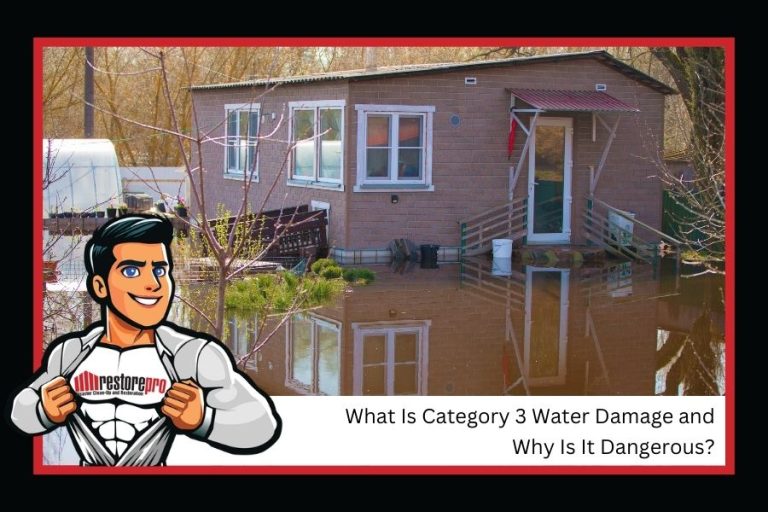
Floodwater from rivers, streams, and storm surges is automatically classified as Category 3. Even if it looks relatively clear, this water has contacted soil, agricultural runoff, animal waste, and countless other contaminants. Homes near Sandusky Bay and the Huron River face this risk during severe storms. Learn more about protecting your property in our guide to basement flooding for Sandusky homeowners.
Septic System Failures
Many rural properties across Huron, Seneca, and Ottawa counties rely on septic systems. When these fail due to lack of maintenance, the results are catastrophic. Raw sewage can saturate the ground and eventually seep through foundation cracks.
Dealing with Sewage or Flood Water?
Do not attempt cleanup yourself. Our IICRC-certified team responds 24/7 with specialized equipment to protect your health and property.
Health Risks You Should Know About
The health consequences of Category 3 water exposure are real and potentially severe. According to the Centers for Disease Control and Prevention, contact with contaminated floodwater can cause gastrointestinal illness, wound infections, skin rashes, and respiratory problems.
Black Water Health Hazards
| Contaminant | Examples | Health Effects |
|---|---|---|
| Bacteria | E. coli, Salmonella | Severe diarrhea, kidney failure |
| Viruses | Hepatitis A, Norovirus | Liver damage, gastroenteritis |
| Parasites | Giardia, Cryptosporidium | Chronic intestinal infections |
Children, elderly individuals, and anyone with compromised immune systems face heightened risks. The contamination does not disappear once water dries. Pathogens cling to surfaces and can remain viable for extended periods, which is why proper mold remediation frequently follows Category 3 water events.
Why DIY Cleanup Fails with Black Water
We understand the impulse to start cleaning immediately. Your home is flooded, you want to minimize damage, and you think bleach should handle it. Unfortunately, that approach creates more problems than it solves.

Sealing basement entry points helps prevent future flooding, but existing black water contamination requires professional remediation.
Bleach cannot penetrate porous materials like drywall, insulation, or carpet padding. It only affects surface contamination. The pathogens living inside these materials remain active. Standard household equipment lacks the power to extract water from deep within building materials where contamination hides.
Personal protective equipment also matters enormously. Professional technicians wear Tyvek suits, respirators, eye protection, and specialized gloves. Without proper PPE, you risk direct exposure to everything black water contains.
Professional Cleanup Requirements
Proper Category 3 remediation follows strict IICRC S500 standards. Here is what a legitimate professional process involves.
Immediate Response and Extraction
Time matters critically with black water. Contamination spreads with every passing hour. Professional teams arrive with equipment ready, assess contamination extent, and begin extraction. At RestorePro, our 30-60 minute emergency response throughout Northwest Ohio helps minimize damage immediately.
Contaminated Material Removal
Porous materials that absorbed black water must be removed, including carpet, padding, drywall, and insulation. There is no way to adequately disinfect these items.
Materials Requiring Removal After Black Water Exposure
- Carpet, padding, and area rugs
- Drywall and insulation that contacted contaminated water
- Upholstered furniture and mattresses
- Paper products, cardboard, and documents
Disinfection and Drying
Remaining structural elements receive thorough antimicrobial treatment. Industrial air movers and dehumidifiers dry the structure completely. Moisture meters verify hidden moisture has been eliminated. Learn more about the connection between water damage and mold in our article on the role of mold remediation in water damage restoration.
Frequently Asked Questions
How quickly does Category 3 water become dangerous?
Category 3 water is dangerous immediately upon contact. Unlike clean water spills that become problematic over time, black water already contains active pathogens. Mold growth typically begins within 24-48 hours, adding another layer of hazard. Professional remediation should begin as quickly as possible.
Can I save belongings after a sewage backup?
Non-porous items like glass, metal, and hard plastic can often be professionally cleaned. However, porous materials including clothing, upholstered furniture, mattresses, and books typically cannot be safely salvaged and must be discarded.
Does homeowners insurance cover Category 3 water damage?
Most homeowners insurance policies cover sewage backup damage if you have that specific endorsement. Flood damage from natural disasters typically requires separate flood insurance. RestorePro works directly with insurance companies to help streamline the claims process.
How long does professional Category 3 restoration take?
Initial water extraction and material removal typically occur within the first day. Complete drying usually requires 3-5 days with industrial equipment. Total restoration may take one to several weeks depending on damage severity.
Trust Local Experts for Black Water Emergencies
Category 3 water damage is not something any homeowner should face alone. The health risks are real, the cleanup requirements are specialized, and improper remediation can affect your family for years.
RestorePro Disaster Cleanup & Restoration has served Northwest Ohio families for over 27 years. Our IICRC-certified technicians understand the unique challenges properties in Erie, Ottawa, Sandusky, Huron, and Lorain counties face. When sewage backs up or floodwater threatens your basement, we respond within 30-60 minutes with the expertise to protect your health and property.
We Care. We Respond. We Restore. If you are facing a black water emergency, contact our team immediately. Your family’s safety cannot wait.


